
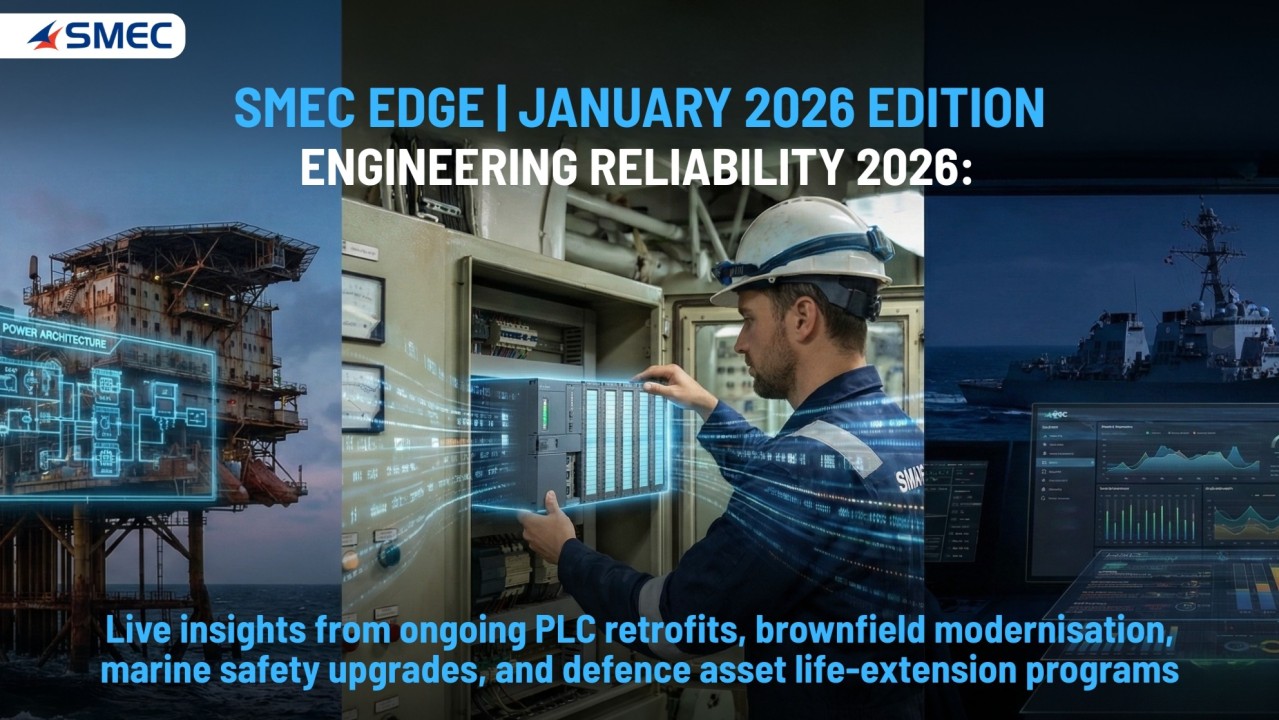
How Oil, Marine & Defence Assets Are Being Upgraded to Perform Under Load
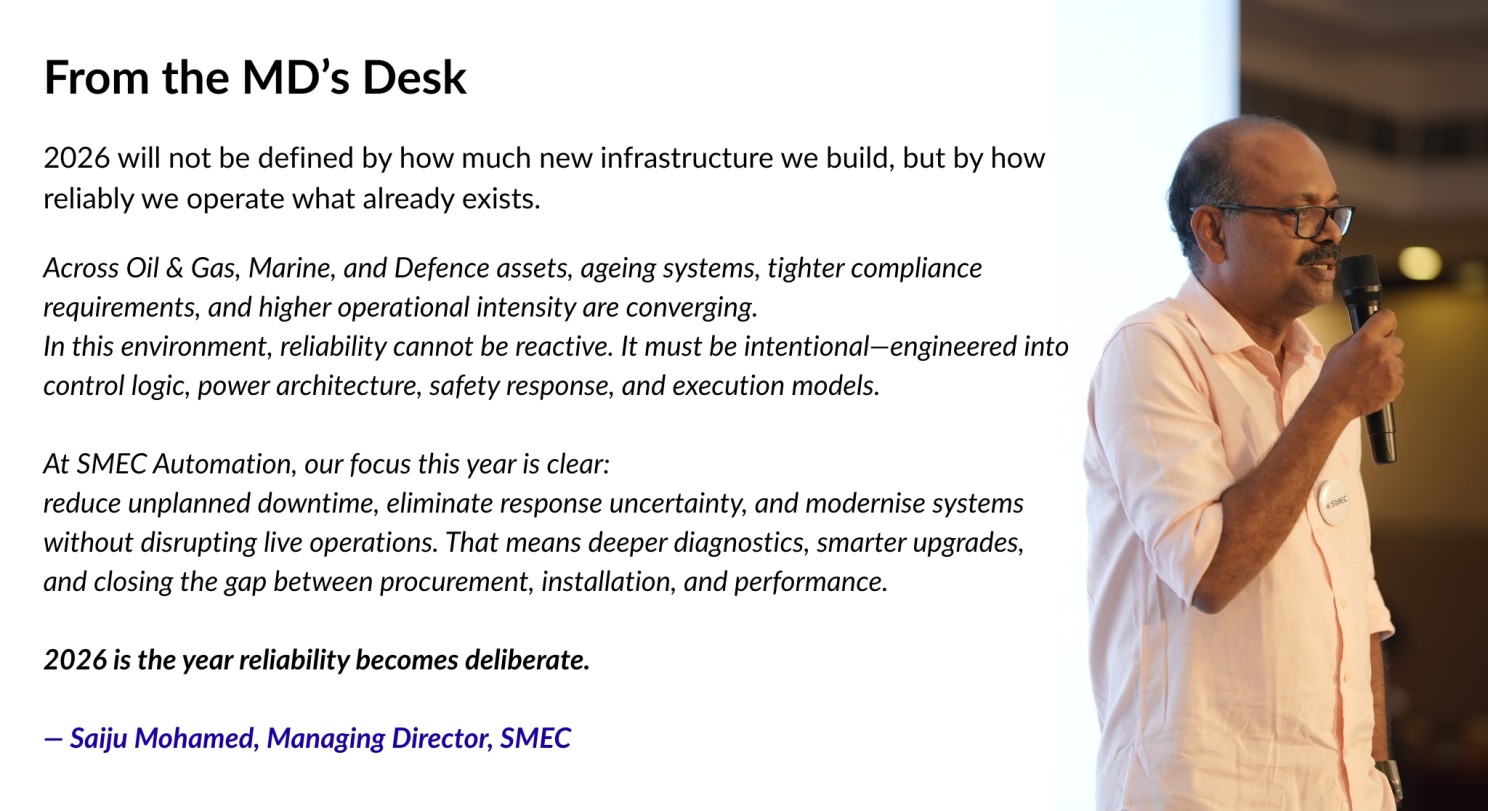
The Month’s Reality: What the Market Is Actually Doing
Early 2026 signals are already clear:
- Oil & Gas operators are prioritising brownfield modernisation and life-extension programs over greenfield expansion, increasing demand for retrofit-ready automation, power, and safety upgrades.
- ONGC continues to prioritise PLC and legacy control retrofits across offshore and onshore assets, driven by reliability drift, obsolescence, and audit requirements
- IOCL has initiated CCUS-linked studies and brownfield upgrade programs, signalling deeper instrumentation and control modernisation in select facilities.
- EPCs and asset owners are actively reducing interface risk by consolidating control, safety, power, and monitoring scopes under fewer, execution-capable system integrators.
- Indian shipyards are seeing increased order inflow across commercial and naval vessels, placing sharper focus on outfitting execution, system integration, and delivery discipline beyond hull fabrication.
- Marine operators are tightening audit focus on alarm response time, power continuity, and safety system behaviour under dynamic operating conditions.
- Defence and strategicassets are entering accelerated mid-life upgrade cycles, driving demand for control, safety, and power system modernisation without platform disruption.
Across sectors, the pattern is consistent: modernisation is happening—but under live operating conditions.
Q1 Execution Playbook: SMEC’s Solution Bundles by Sector
Q1 is not about new systems. It’s about fixing reliability gaps before the year accelerates.
Below are the solution bundles asset owners are actively approving and executing in Q1.
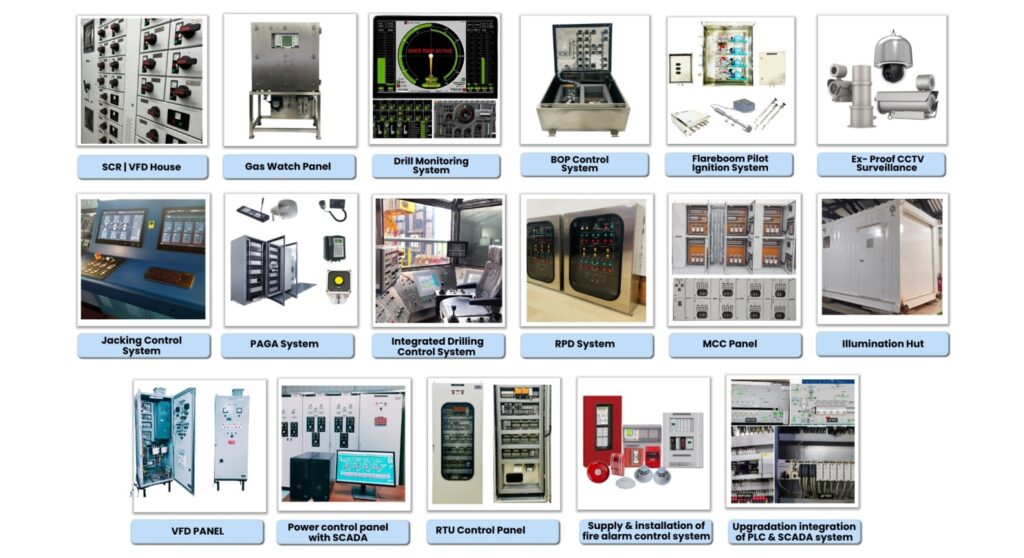
1. Oil & Gas (Upstream | Midstream | Downstream)
“Fix what can break this year — before production ramps.”
SMEC Q1 Focus: Brownfield PLC upgrades, PMS & restart reliability, audit closure, and rapid spares support — executed without disrupting live operations.
Planning a brownfield upgrade or restart this year?
Talk to SMEC Automation about Q1 reliability audits, PLC modernisation, and fast-track spares support — before production ramps up.
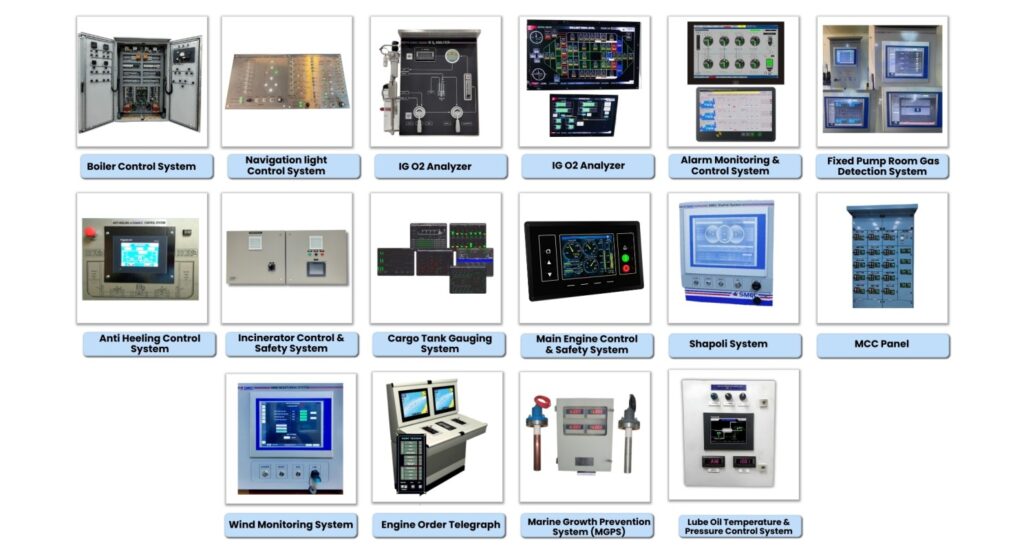
2. Marine (Commercial | Offshore | Tankers | Fleet Operators)
“Reduce dock time, avoid class surprises, improve fuel numbers early.”
SMEC Q1 Focus: Pre-dock system audits, safety & class fixes, afloat automation retrofits, and vessel performance optimisation.
Preparing for dry dock or class this year?
Engage SMEC early in Q1 to audit, retrofit afloat, and lock down dock scopes — before off-hire costs escalate.
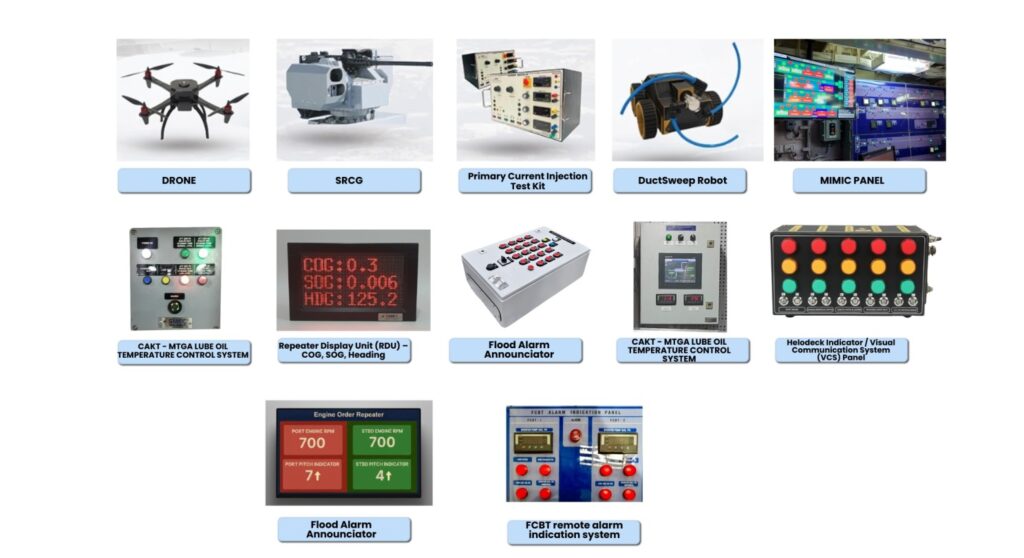
3. Defence & Naval Assets
“Upgrade without disrupting operational availability.”
SMEC Q1 Focus: Mid-life control upgrades, integration risk reduction, redundancy validation, and single-vendor execution.
Planning mid-life upgrades or system refreshes?
Q1 is the window to modernise control and monitoring systems with minimal operational disruption — under one accountable partner.
4. Heavy Industries ( Steel | Cement | Power | Process Plants)
“Stabilise before the next production peak.”
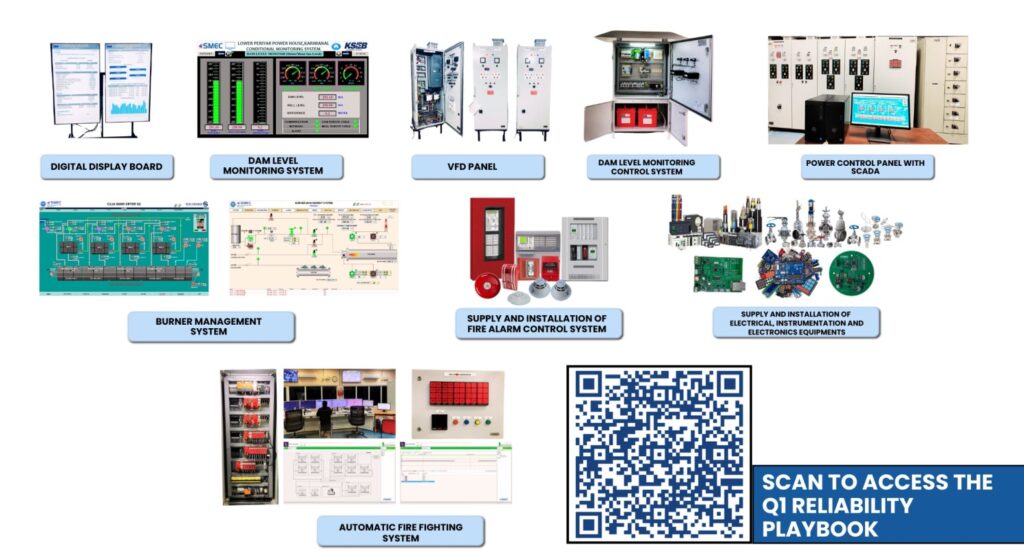
SMEC Q1 Focus: Post-peak corrections, PLC & SCADA upgrades during planned shutdowns, energy optimisation, and compliance closure.
Seeing instability after peak operations?
Use Q1 shutdowns to correct control logic, alarms, and power quality issues — before the next production surge.
Technical Insights | What Systems Are Actually Failing in 2026
1. Oil & Gas
- ~55–60% of unplanned shutdowns are linked to control logic, scan time mismatch, or integration gaps, not instrument failure
- Brownfield PLCs show 2–3× higher fault recurrence during transient operations (startup, load change, switchover)
Fix: Validate PLC logic under dynamic process conditions, not steady-state simulations.
2. Marine (NLCP & Safety Systems)
- ~70% of NLCP alarm failures occur with healthy lamps and stable power
- Primary causes: response-time logic delay, backup lamp auto-changeover lag, false-healthy feedback under vibration
- Dockside tests miss >50% of at-sea failure modes
Fix: Validate alarm logic under sea-state vibration and live load, not harbour conditions.
3. Defence & Naval Platforms
- >65% of automation issues emerge at integration boundaries between legacy and upgraded systems
- Component MTBF remains acceptable; failures arise during fallback, redundancy switching, or mode transition
Fix: Perform system-level response and failover validation, not component-wise acceptance.
4. Heavy Industries ( Steel | Cement | Power | Process Plants)
- Alarm rates spike 2–3× during peak load or seasonal operations
- ~40% of downtime events involve PLC I/O noise or communication instability, not equipment damage
Fix: Re-engineer alarm thresholds and I/O filtering based on actual production load profiles.
SMEC Total Reliability Package: One Framework, One Accountability
Modern reliability programs are failing when execution is fragmented. SMEC’s Total Reliability Package is built to remove that fragmentation. One contract. One execution framework. One accountable partner.
What it integrates:
- Procurement as a Service (Schneider Electric, Phoenix Contact & OEM spares with 48-hour dispatch support)
- Installation & Commissioning (field-proven execution across live assets)
- Upgrades & Modernisation (PLC upgrades, legacy migration, IIoT and monitoring integration)
- 24/7 Diagnostics & Technical Support
Typical outcomes:
- Downtime reduced by up to 35%
- Spares cost optimised by ~20%
- Faster fault isolation and recovery
Case Snapshot | Vessel Performance & Fleet Optimisation
Challenge
A multi-vessel operator faced rising fuel costs, inconsistent noon reports, limited visibility into hull and propeller performance, and increasing pressure to improve voyage efficiency and CII compliance. Data existed onboard, but it was fragmented, noisy, and not decision-ready.
Solution Deployed
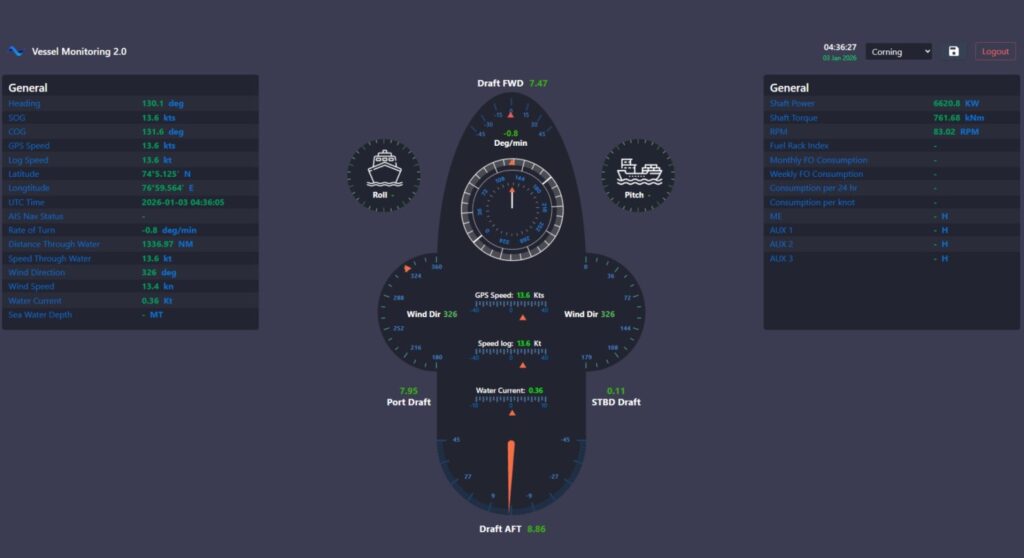
SMEC implemented a Vessel Performance & Fleet Optimisation Platform combining marine-grade hardware, edge analytics, and shore-based intelligence.
At the core was the SMEC Smart DCU, a marine-grade onboard data concentrator interfacing with navigation, engine, and sensor systems (Modbus, NMEA, CAN, Analog & Digital I/O). Data was pre-processed onboard using edge analytics to remove noise, validate sensor spikes, and ensure zero data loss through local storage and secure offshore data transfer.
Validated, time-stamped data fed into the SMEC Fleet Performance Platform, enabling real-time dashboards, voyage analytics, fuel and energy KPIs, hull and propeller performance tracking, automated noon reports, and fleet-wide benchmarking.
Key Insights Delivered
- Continuous monitoring of speed, RPM, fuel flow, engine load
- Trim, hull condition, and propeller efficiency tracking
- Weather impact and voyage deviation analysis
- Real-time and historical trend visibility
Results Achieved
- 5–10% reduction in fuel consumption
- Improved emissions performance and better CII ratings
- Reduced hull fouling through condition-based planning
- Accurate, automated reporting with zero manual intervention
- Fleet-level intelligence for management and charter decisions
Why It Worked?
This was not just monitoring. It was a complete architecture — hardware, software, and analytics — engineered for marine environments, delivering predictable data, transparent performance, and actionable insight.

One Partner. All Systems. Full Accountability.
Automation | Electrical | Control | Safety | Monitoring | Field Services
Executed under one framework — with one responsible owner.
Connect for Q1 system modernisation:
sales@smecong.com | +91 8606047714 | +91 8588870618

ADDRESS: 2nd FLOOR KALOOR COMPLEX,COCHIN
PHONE NUMBER: +91 70453 55414
EMAIL: support@smec.in
WEBSITE: www.smec.in